Dubai's climate splits cleanly into two seasons: a comfortable cool season from November to March, and a hot, humid season from May to September, with April and October as transitional shoulder months.
November to March: Peak Season
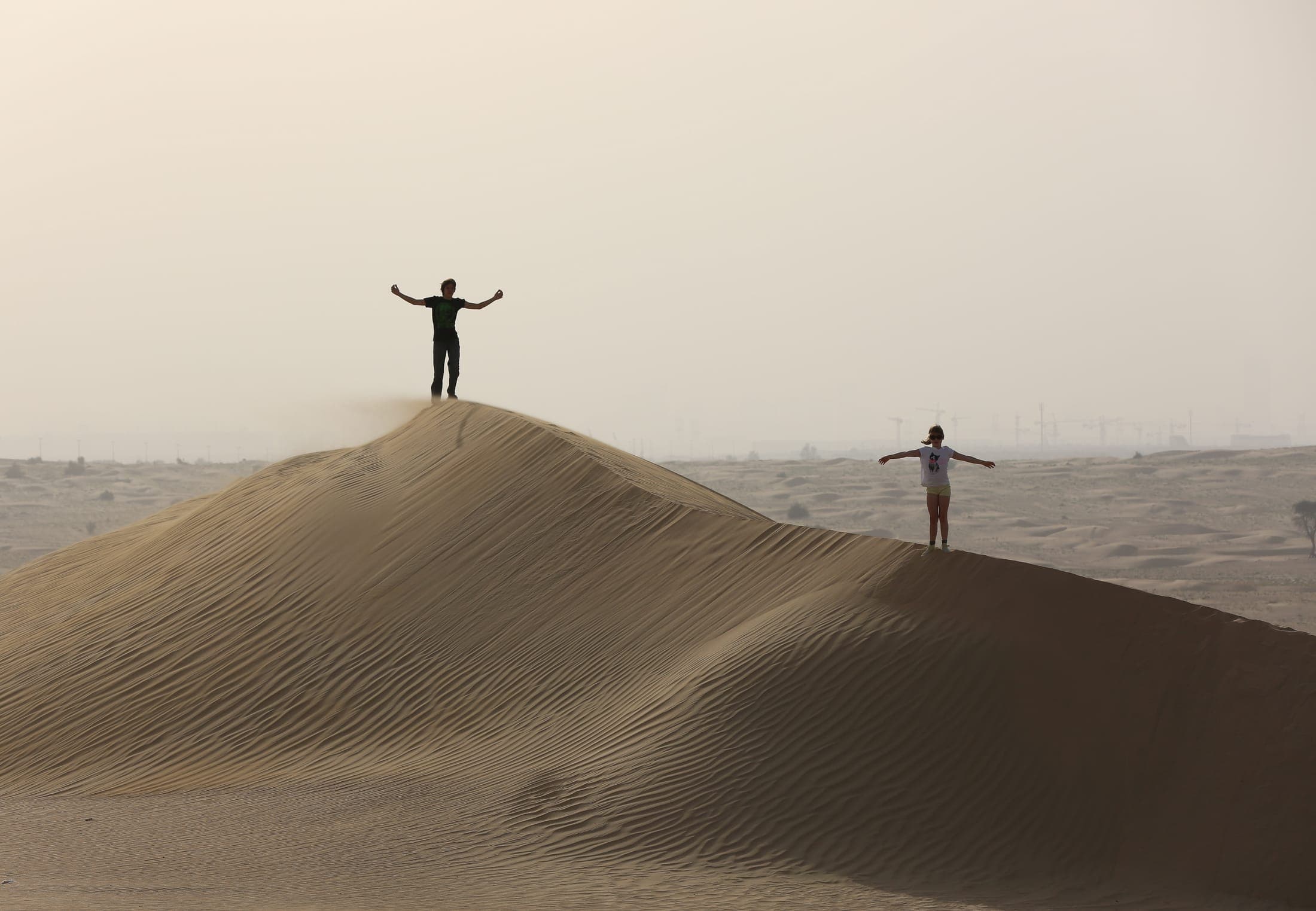
This is when Dubai's outdoor experiences work best. Daytime highs sit between 20-30°C, evenings cool further, and humidity drops noticeably compared to summer. Desert safaris are more comfortable, beach days at Jumeirah or Palm Jumeirah don't come with oppressive heat, and walking tours of Downtown Dubai or Old Dubai's souks are genuinely pleasant. This is also peak tourist season — expect higher hotel rates and busier attractions, particularly around the New Year period and school holiday windows.
April and October: Shoulder Season
Temperatures climb into the low-to-mid 30s°C, still workable for most activities if you schedule outdoor time for morning or evening. Hotel rates ease slightly compared to peak winter months, making this a reasonable value window for travelers prioritizing budget over ideal weather.
May to September: Low Season
Daytime temperatures regularly exceed 40°C, with high humidity making outdoor time genuinely uncomfortable for more than short stretches. This isn't a reason to avoid Dubai entirely — indoor attractions like the Museum of the Future, Dubai Aquarium, Ski Dubai, and IMG Worlds of Adventure are built precisely for this season, and hotel and flight prices drop meaningfully. Desert safaris and beach time are best avoided or shifted to very early morning or after sunset.
Our Recommendation
If your dates are flexible, book for November through March. If you're traveling in summer regardless, lean the itinerary heavily toward indoor attractions and schedule any outdoor time (desert safari, beach) around sunrise or sunset rather than midday.