Italy's range is wide enough that "best places to visit" depends heavily on what you're prioritizing — ancient history, Renaissance art, coastal scenery, or countryside — but a handful of regions consistently anchor first-time itineraries.
Rome: Ancient History and the Vatican
The Colosseum, Roman Forum, and Vatican City make Rome the natural starting point for most first-time visitors. Plan 3 days minimum to cover these properly without rushing.
Florence and Tuscany: Renaissance Art and Countryside
Florence's Duomo and Uffizi Gallery anchor the city, while the surrounding Tuscan countryside — cypress-lined roads, vineyards around Chianti and Siena — offers an easy day-trip contrast to the museum-heavy city center.
Venice: Canals and Car-Free Streets
Venice's Grand Canal, best seen by gondola or vaporetto, and its car-free old-town layout make it one of Italy's most distinct cities. Two days is usually enough for the main sights; more if you want to explore the quieter residential sestieri.
The Amalfi Coast: Cliffside Towns
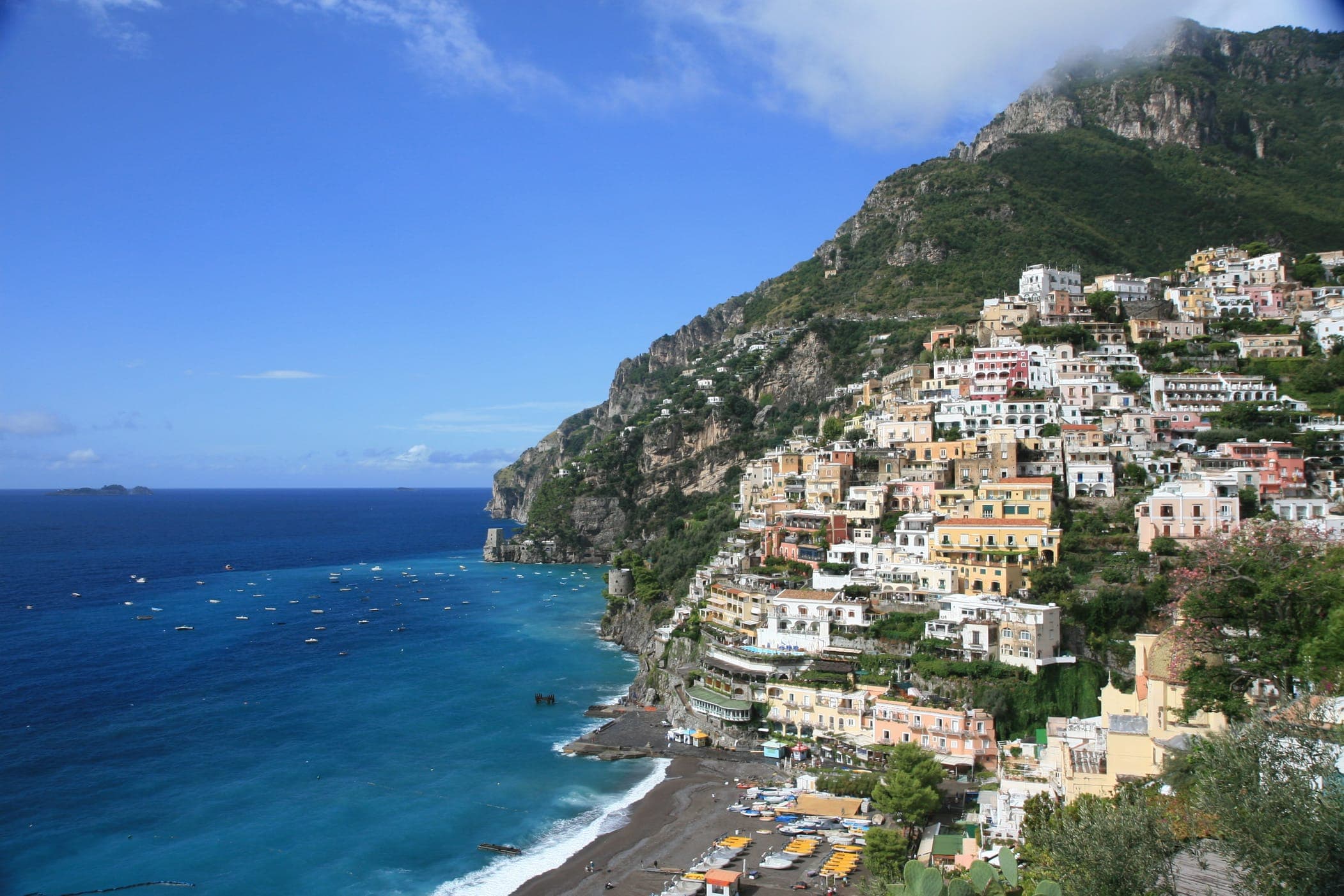
Positano, Amalfi, and Ravello line a dramatic coastal road south of Naples. This region suits travelers with 8+ days total, since it requires a separate base from the Rome-Florence-Venice route.
Cinque Terre: Five Fishing Villages
Manarola, Vernazza, and three neighboring villages, connected by coastal trails and a short train line, offer a slower, more relaxed pace than the classic city route — best added for travelers prioritizing scenery over museums.
Building Your Route
First-timers with 8-10 days: stick to Rome, Florence, and Venice. With 12+ days, add either the Amalfi Coast or Cinque Terre, but generally not both on the same trip unless you have two weeks or more.